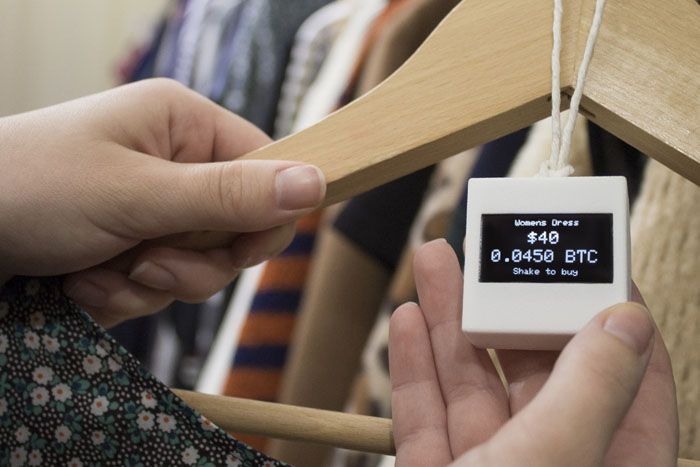
Pervasive banking
Bitcoin Crypto 2.0 Ripple Singularity of Money tokens valueIn computer science, there is a concept of "pervasive computing" - an idea that instead of using a specific device to perform computation, it would instead be distributed "everywhere" and we would instead just use our devices as interfaces to access this ubiquitous computing environment. So instead of having say, a laptop or a PC where we run our programs, we could have a local cloud of computing devices to provide us with their resources at our disposal. Just as computing appears to be moving to this model with say, home game streaming, perhaps it's time for the banking services to take a clue as well?
What would constitute a pervasive banking experience?
Number 1 we've discussed before. It would be really good if banks were considered to be a common carrier, and thus unable to refuse the service to anyone that pays the fees and follows the rules.
Number 2 is interesting. There are a few examples of some convenient cash in / out cropping up here and there. I've seen a few banks offering cash out services during checkouts at stores, Apple Pay looks like it will be offering P2P payments to allow people to pay for other people's purchases and what not, and Abra is looking into offering P2P remittance services.
Perhaps in the future we will see more companies embracing the "anywhere-in, anywhere-out" nature of banking and we might see say, self-checkout kiosks or even vending machines acting as our convenient ATMs? After all, if they can already accept deposits, make change and accept credit cards, they have all the functionality needed.
Number 3 appears to be also already in the works. We've got Google Wallet allowing you to pay wirelessly (although at the time, only in US, which still appears to be too focused on magswipes...), or a poorly named "Coin" card that replaces your multiple card with a single programmable card (unfortunately, with the outdated magswipes...). We also have some people developing Bitcoin applications that use MasterCard's PayPass technology.
Perhaps this step will become easier once everyone is talking on a common standard. Luckily, we have a W3C Web Payment Interest Group hoping to create a standard protocol for payments (list of participants includes Ripple Labs, although I don't see any other cryptocurrency expert representing). It is possible that with the standard being established it would be easier for companies to build gateways in and out of the old banking systems and allow for everyone to be able to pay in a way that is the most convenient for them - cash, credit, mobile or crypto.
All in all, it seems that we are heading towards the pervasive banking / Singularity of Money concept on a few fronts, although it might still be years before the idea is fully realized.
Relevant links:
What would constitute a pervasive banking experience?
- The ability for anyone to access the banking network
- The ability to cash in and cash out at any location, not just the banks and ATMs
- The freedom to pay conveniently in any fashion
Number 1 we've discussed before. It would be really good if banks were considered to be a common carrier, and thus unable to refuse the service to anyone that pays the fees and follows the rules.
Number 2 is interesting. There are a few examples of some convenient cash in / out cropping up here and there. I've seen a few banks offering cash out services during checkouts at stores, Apple Pay looks like it will be offering P2P payments to allow people to pay for other people's purchases and what not, and Abra is looking into offering P2P remittance services.
Perhaps in the future we will see more companies embracing the "anywhere-in, anywhere-out" nature of banking and we might see say, self-checkout kiosks or even vending machines acting as our convenient ATMs? After all, if they can already accept deposits, make change and accept credit cards, they have all the functionality needed.
Number 3 appears to be also already in the works. We've got Google Wallet allowing you to pay wirelessly (although at the time, only in US, which still appears to be too focused on magswipes...), or a poorly named "Coin" card that replaces your multiple card with a single programmable card (unfortunately, with the outdated magswipes...). We also have some people developing Bitcoin applications that use MasterCard's PayPass technology.
Perhaps this step will become easier once everyone is talking on a common standard. Luckily, we have a W3C Web Payment Interest Group hoping to create a standard protocol for payments (list of participants includes Ripple Labs, although I don't see any other cryptocurrency expert representing). It is possible that with the standard being established it would be easier for companies to build gateways in and out of the old banking systems and allow for everyone to be able to pay in a way that is the most convenient for them - cash, credit, mobile or crypto.
Conclusions
All in all, it seems that we are heading towards the pervasive banking / Singularity of Money concept on a few fronts, although it might still be years before the idea is fully realized.
Relevant links: